


Best Seller
Loading
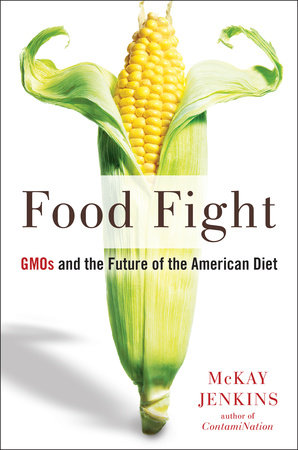
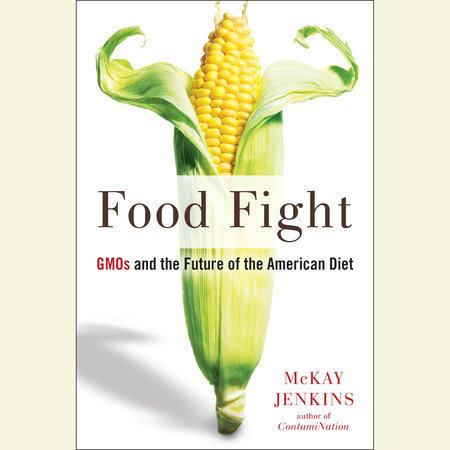
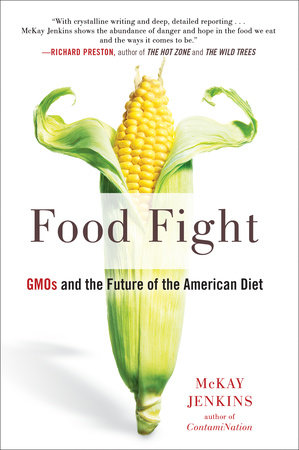
Food Fight
Paperback
$24.00
Published on Feb 13, 2018 | 336 Pages



Author
Mckay Jenkins
McKay Jenkins holds degrees from Amherst, Columbia’s Graduate School of Journalism, and Princeton, where he received a PhD in English. A former staff writer for the Atlanta Constitution, he has also written for Outside, Orion, and many other publications. He is the author of What’s Gotten Into Us: Staying Healthy in a Toxic World; Bloody Falls of the Coppermine: Madness, Murder and the Collision of Cultures in the Arctic, 1913 (Random House, 2005); The Last Ridge: The Epic Story of the U.S. Army’s 10th Mountain Division and the Assault on Hitler’s Europe (Random House, 2003); The White Death: Tragedy and Heroism in an Avalanche Zone (Random House, 2000); and The South in Black and White: Race, Sex, and Literature in the 1940s (Univ. of North Carolina Press, 1999). He is also the editor of The Peter Matthiessen Reader (Vintage, 2000). A winner of the University of Delaware’s Excellence in Teaching Award, Jenkins is currently Tilghman Professor of English and a member of the Program in Journalism. He lives in Baltimore with his family.
Learn More about Mckay Jenkins QUICK VIEW
 QUICK VIEW
 QUICK VIEW
 QUICK VIEW
 QUICK VIEW
 QUICK VIEW
 QUICK VIEW
 QUICK VIEW
 QUICK VIEW
 QUICK VIEW