
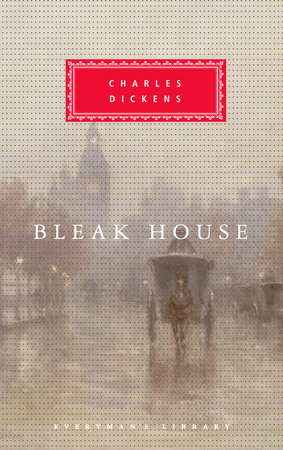

Best Seller
Hardcover
$32.00
Published on Oct 15, 1991 | 1032 Pages



Author
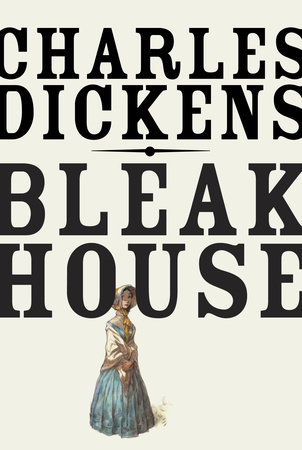
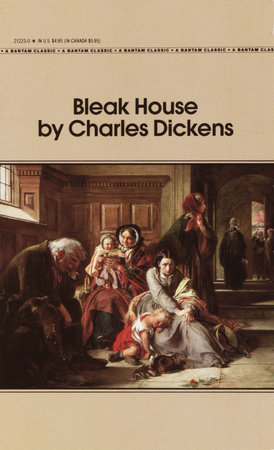
Charles Dickens
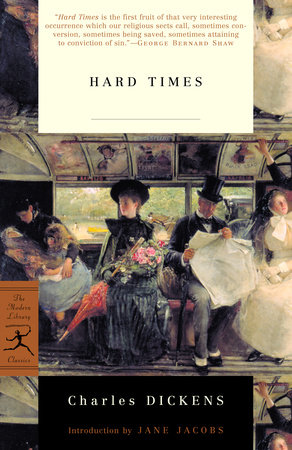
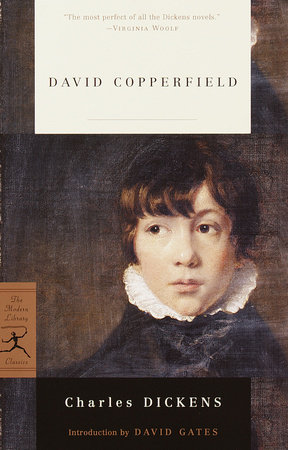
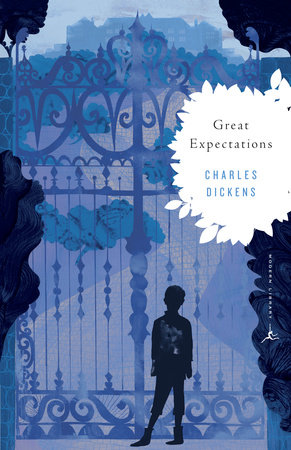
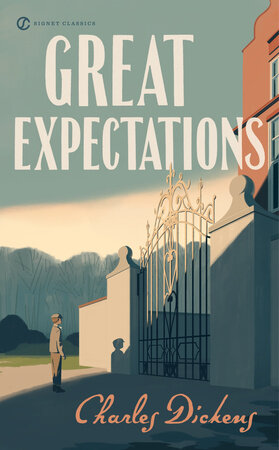
Charles Dickens was born in a little house in Landport, Portsea, England, on February 7, 1812. The second of eight children, he grew up in a family frequently beset by financial insecurity. When the family fortunes improved, Charles went back to school, after which he became an office boy, a freelance reporter, and finally an author. With Pickwick Papers (1836–37) he achieved immediate fame. In a few years he was easily the most popular and respected writer of his time. It has been estimated that one out of every ten persons in Victorian England was a Dickens reader. Oliver Twist (1837), Nicholas Nickleby (1838–39), and The Old Curiosity Shop (1840-41) were huge successes. Martin Chuzzlewit (1843–44) was less so, but Dickens followed it with his unforgettable, A Christmas Carol (1843), Bleak House (1852–53), Hard Times (1854), and Little Dorrit (1855–57), which reveal his deepening concern for the injustices of British society. A Tale of Two Cities (1859), Great Expectations (1860–61), and Our Mutual Friend (1864–65) complete his major works.
Learn More about Charles Dickens QUICK VIEW
 QUICK VIEW
 QUICK VIEW
 QUICK VIEW
 QUICK VIEW
 QUICK VIEW
 QUICK VIEW
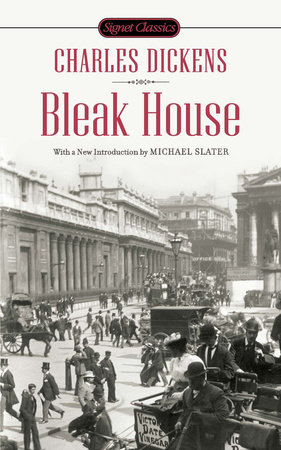 QUICK VIEW
 QUICK VIEW
 QUICK VIEW