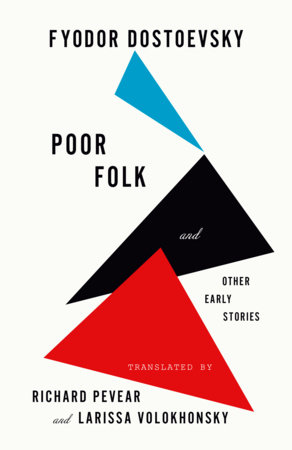
A new translation of Poor Folk, the debut novella that first brought the author of Crime and Punishment fame at the age of twenty-five, along with his other early stories, all showcasing the concern for human dignity that animated his later work.
The short novel Poor Folk portrays the passionate relationship between two young distant cousins, a clerk and a seamstress who live across the street from each other in conditions of dire poverty. Through an exchange of letters, they share with each other their struggles, their past tragedies, their mutual love of literature, and their growing hopes for a future together—until a rich man proposes to the young woman and offers her a path to a different life, leaving her cousin behind.
The other stories in the collection—”Mister Prokharchin,” “Another Man’s Wife and a Husband Under the Bed,” “White Nights,” and “Uncle’s Dream”—display a remarkable variety of narrative voices. Combining satiric comedy with weightier themes, these early tales reveal their author already exercising the formal inventiveness he became so well known for.