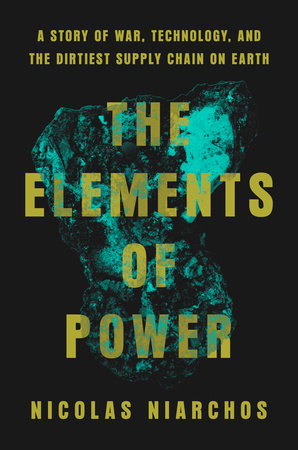
“In another era, when oil was the undisputed lubricant of global capitalism, the economic historian Daniel Yergin charted the intersection of business and geopolitics in his 1992 Pulitzer-winning classic The Prize: The Epic Quest for Oil, Money, and Power. In 2026, Nicolas Niarchos, a journalist specializing in energy and mining, attempts something similar for the age of batteries. Mostly he succeeds. The Elements of Power cuts like a fast-paced action film from battery labs in California, Tokyo, and the backstreets of Shenzhen . . . to mines in Africa and elsewhere where a combination of powerful companies, hucksters and mostly downtrodden miners scrabble for the minerals needed to power the energy transition.” —David Pilling, Financial Times
“The Elements of Power portrays an energy transition more akin to an amoral free-for-all. The bodies that could—at least in theory—coordinate a just global response to climate change are now being hollowed out and discarded . . . In Niarchos’s coverage, everything comes down to power—and those with the least of it are the ones digging up the elements . . . it is jam-packed with deep reporting on the battery supply chain. This work came at real personal risk: in July 2022, the Congolese government detained Niarchos and his colleague Jeef Kazadi Kamwanga, and kicked Niarchos out of the country soon after . . . The Elements of Power provides an important informational base for analyzing the energy transition . . . Niarchos goes to impressive lengths.” —LA Review of Books
“In The Elements of Power, journalist Nicolas Niarchos refuses to let the realities of the critical-mineral supply chain be overlooked. He weaves together many seemingly disparate threads, from the DRC’s colonial history to how the mineral-extraction industry has grown in several nations to battery development in leading laboratories around the world. He lays out clearly the emergence of resource nationalism and superpower competition to secure dependable supplies. Rather than a dull account of business deals, Niarchos shares a vivid story of how the greed of a handful of high-ranking individuals has hurt millions of people.” —Nature
“Nicolas Niarchos’s The Elements of Power is a thought-provoking story about the global supply chain of lithium and other critical minerals needed to support the clean energy transition, to achieve global climate goals, and to meet commitments to reduce the global carbon footprint. . . . Niarchos’s call for action is timely, and it is imperative that the global community address this issue.” —Science
“Journalist Niarchos debuts with an impressive investigation into the global race to acquire the raw materials needed to power electric vehicles, cellphones, laptops, and other devices . . . Readers won’t look at their smartphones the same way again.” —Publishers Weekly (starred review)
“Journalist Nick Niarchos digs into the global minerals trade at the heart of the Democratic Republic of the Congo, a hub in the vast supply chains that have brought misery to many and immense profits to a few . . . Told with journalistic flair . . . His book will have readers rethink the ethics of extraction—you’ll never look at your phone or your EV in quite the same way again. An eye-opening and sobering investigation that challenges us to consider the suffering embedded in our everyday devices.” —Kirkus (starred review)
“A striking and vigorous investigation into the ongoing devastation of the Democratic Republic of the Congo at the hands of foreign and domestic powers intent on exploiting its natural wealth. . . . the country now supplies 70 percent of the world’s cobalt . . . critical to lithium batteries, which run smartphones, among many other things, and as Niarchos documents with lethal precision, mining it destroys the lives of millions. . . . Having traveled to Congo, China, and other countries in pursuit of this story, Niarchos immerses readers in the history of this land burdened with coveted resources. . . . Niarchos tracks a legacy of injustice. Like Siddharth Kara’s Cobalt Red (2023), this urgent exposé shines a light on extreme corporate malfeasance and the bleakest inhumanity.” —Booklist (starred review)
“Nicolas Niarchos exposes how the metal cobalt gets from the mines of the Democratic Republic of Congo to the battery factories of China and into the electric vehicles that purr along our streets—and who profits . . . The book is a serious exposé . . . Niarchos traces the webs of multibillion-dollar international deals that enmesh Congo’s cobalt mines and juxtaposes this material, painfully, with boots-on-the-ground descriptions of Congolese lives.” —The Times (UK)
“This is a bold and original book, a deep exploration of the way in which the batteries powering our most antiseptic seeming technologies—smartphones and electric cars—are connected to a world of conflict and predation. Drawing on his own dauntless reporting in over a dozen countries, Nicolas Niarchos distills this complex subject, finding its dramatic essence—a tale of rapacious colonialism, Cold War spy games, dazzling technical innovation, big business rivalry, big power geopolitics, and incalculable (and ongoing) human cost. By connecting Congo’s present to its past and future, and tracing the links in the supply chain to demonstrate the way in which this story morally implicates us all, Niarchos has produced an unflinching, landmark work on the nature of extractive capitalism.” —Patrick Radden Keefe, New York Times best-selling author of Empire of Pain and Say Nothing
“With forensic research and vivid reporting, Niarchos unpacks the dirty paradox of clean energy: a technology celebrated as the key to a sustainable future, yet one that exacts a devastating human and environmental cost in Congo. Expansive and eye-opening, it is essential reading for our age.” —Clarissa Ward, author of On All Fronts
“The Elements of Power is a terrific book—punchy, intelligent, and critically attuned to its subject’s moral and technical complexities. Niarchos’s lively storytelling and wonderfully diverse characters make his history of batteries at once sobering and fun to read. There isn’t a dull moment in it.” —Atossa Araxia Abrahamian, author of The Hidden Globe: How Wealth Hacks the World
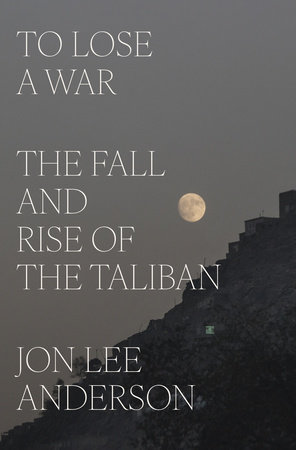
“In this fascinating book, The Elements of Power, Nicolas Niarchos tells how the convulsed history of the Congo and its strategic minerals have played a vital role in fueling today’s Big Tech revolution. In a cruel paradox, Congo’s role as a key provider of the minerals that are helping drive the world’s energy transition—the lithium-ion battery—has also condemned it to inequality, social instability and seemingly endless cycles of armed conflict. This disturbing reality is one of the epic stories of our time, and Niarchos tells it skillfully, with narrative verve, keen insights, and an admirable attention to factual detail. That he has done so after years of firsthand research that included dangerous field forays in the Congo is an accomplishment that deserves high praise. The Elements of Power is, quite simply, a firecracker of a book, a must-read for anyone seeking clarity in the murk of today’s world.” —Jon Lee Anderson, author of To Lose a War: The Fall and Rise of the Taliban
“Niarchos’s The Elements of Power is one of the most illuminating reads of and for our times. Hard-hitting stories of corporate invention and greed, government corruption, and human exploitation will make you question the devices we use almost constantly. Niarchos brilliantly investigates and dissects the brazen profiteering of some of the world’s most sought-after commodities and the lives it affects. An unmissable book in this day and age.” —David de Jong, author of Nazi Billionaires: The Dark History of Germany Wealthiest Dynasties
“Intrepid reporter Niarchos exposes how the green transition is a dirty and violent tale – with the lithium-ion battery at the heart of the geo-politics and history — in which the rich world’s luxury beliefs about climate crisis ignore the poverty and environmental despoliation unfolding in Africa.” —Aidan Hartley, author of The Zanzibar Chest
“What begins as a book about batteries becomes a riveting journey through lithium-ion technology and its global consequences. From colonial Congo to Cold War rivalries to China’s rise, it reveals how genius, ambition, and exploitation built the supply chains powering our devices, cars, and life-saving medical tools. Fair, compelling, and meticulously researched, it captures both the promise and the human cost of the battery revolution. Essential reading for anyone interested in technology, politics, and the forces shaping our future.“ —Mohamedsalem Werad, editor and cofounder, Sahrawi Voice







 QUICK VIEW