CHOICE
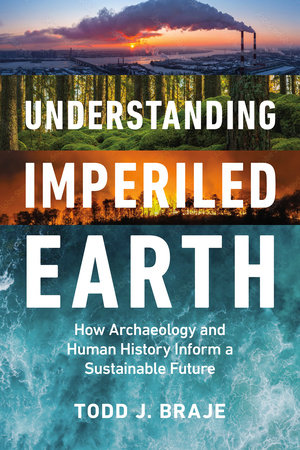
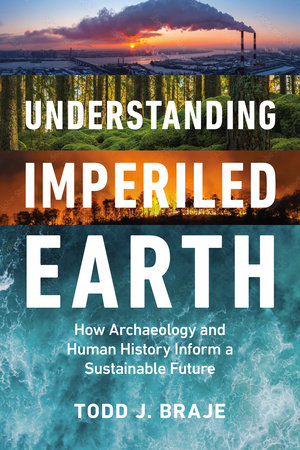
“Understanding Imperiled Earth is impassioned, well researched, engaging, and hopeful, despite the odds…This volume will help readers who are confused about climate change and its effects better understand the human impact on the environment and what we must do about it.”
AMERICAN ARCHAEOLOGY MAGAZINE
“This synthesis of knowledge allows for a more holistic view of humanity’s impact on the planet over millennia…His call for collaboration across disciplines and a rethinking of human history from an ecological perspective is both timely and urgent.”
“This clearly written and compelling book should appeal to a wide variety of readers who are interested in understanding and appreciating how the historical, behavioral, and environmental sciences can offer useful insights into how we can better face the many crucial challenges facing our planet today.” —Jeremy A. Sabloff, External Faculty Fellow and Past President, Santa Fe Institute
“Understanding Imperiled Earth is an important book written to persuade the general reader that historical perspectives matter— that history can help us find solutions to our current environmental crises. To make his case, Braje provides an overview of historical ecology and its links to science and the humanities, then he goes deeper with several broadly appealing examples: the trees of Notre-Dame, Hawaiian birds, and tuna fisheries. Although Braje honestly lays out the challenges we face, this is not a book of doom and gloom. The clear takeaway is this: archaeology and history provide essential context for our current environmental dilemmas, which can guide policy and practices in productive ways. Braje implores readers to set aside the handwringing. He pushes us to roll up our sleeves and get to work—particularly drawing on insights from the past.” —Virginia Butler, archaeologist and professor at Portland State University







 QUICK VIEW