
To Save the Man Reader’s Guide
By John Sayles
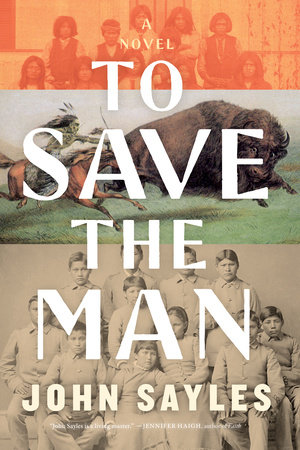



Unity and survival are prominent themes throughout the novel. What roles do these play in the relationships between the students? How might this help or hinder their struggle for survival?
How do the students at Carlisle navigate their cultural identities while being forced to abandon their languages and traditions? What does this reveal about the complexities of assimilation?
How do the students react to the rumors of the ghost dance? What does the dance represent? in the broader context of the students’ experience at Carlisle? What does it reflect about the power of cultural movements in the face of oppression?
What does survival mean for the students at Carlisle? How does this differ from the survival strategies of their families and tribes outside the school? In what ways is it similar?
Language takes on a number of roles throughout the novel, such as a means for control. What are some of the other roles language plays? How might it both limit and liberate the Indigenous characters in the novel?
The reverend’s Bible lessons and the image of “El Diablo” seem to create tension for the students. How does the novel explore the imposition of Christianity on Indigenous children, and how does it interact with their spiritual beliefs and practices? What role does
religion play in the characters’ struggles for identity and autonomy?
The novel frequently engages with the Western dichotomy of “savagery” vs. “civilization.” How does this shape the way the students perceive themselves and their place in society? How does the novel critique this notion of progress, and in what ways might it challenge readers to reconsider these terms today?
There are poetry verses scattered throughout the text in the beginning and end of the novel. Why do you think these verses were included? What effect does this have on the story?
The novel allows us insight into the thoughts and feelings of multiple characters, including both authority figures and students. What effect does this have on the story?
The school’s motto, “To save the man, we must kill the Indian,” speaks directly to the notion of “civilization” imposed upon the characters. In what ways do the authorities at Carlisle School complicate the idea of “civilization” as a singular, universal concept?
Though the novel takes place in the late 19th century, many of the themes explored in the novel still resonate today. How does the novel comment on the long-term effects of colonization on Native communities? In what ways do the struggles of the characters in the story mirror contemporary Indigenous issues?
Early in the novel, Sayles writes, “Nobody wants a mad coyote in their camp” (pg. 50). How is this image reflected in the emotions and beliefs of Indigenous members of Carlisle School? In what ways does this statement reflect the dynamics of community acceptance and rejection? What does the label “mad coyote” suggest about the tension between personal freedom and societal norms?