The Amateur Reader’s Guide
By Chris Bohjalian
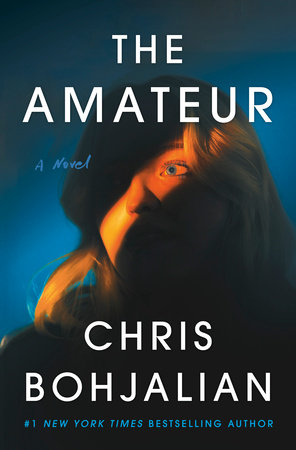



1. “It is chance that pulls the strings,” Mira tells us at the end of the prologue (p. 10). To what degree is her situation not only the result of chance but also the result of decisions made by the adults in her life?
2. How does the Foster family (parents Nick and Sharon, daughters Olivia and Jane) compare with the Winston family (parents Peter and Alexis, brother Spencer, devoted dog Harvey, and Mira)? What do Spencer and Mira need that their parents’ wealth can’t buy?
3. As you watched Mira grapple with unspeakable emotional pain, including surviving an attempted rape by Frank Pendleton, what did she help you understand about the nature of trauma and addiction? Did her months living and working in Manhattan provide any healing, or did that phase in her life leave her only in a more fragile state? Does her inherently fiery personality provide protection, or does it make her vulnerable?
4. Through impeccable details, The Amateur brings to life the late 1970s and early ’80s in America. Which aspects of that period would you want to experience (or reexperience)? Which aspects are abhorrent to you, undermining the spirit of liberation?
5. The Tallmadge Country Club is a place with rigid social expectations. How does Mira’s skill as a fierce athlete affect the way she is treated by the club’s male power brokers? How does the wealth gap between the Foster and Winston families affect the aftermath of Kenny’s death?
6. Chapter 12 ends with these lines: “It wasn’t that I was drawn to older men. It’s that a certain type of middle-aged creep was always going to be drawn to young girls like me.” (p. 169) What does it take for Mira to finally vindicate herself in her own mind? When is she no longer an amateur?
7. Although Mira Winston and Chris Bohjalian are both bestselling authors (each of them acclaimed for some twenty-five novels, three plays, and adaptations for TV and film), they have little else in common. What makes this narrator’s voice so convincing? Did you forget that you were not reading a memoir? Which other aspects of the craft and structure, including Mira’s wry sense of humor, enhanced your reading of The Amateur?
8. In what ways is Ethan different from all others in Mira’s world? Why is he able to not only save her life but also to see the value in her life?
9. In chapter 4, Mira tells us that she’s a reliable narrator, even offering reassurance specifically to book clubs that they can trust her. Did you trust her? Based on the courtroom testimony up to page 303, if you had been a juror, would you have voted to convict?
10. When you were reading the epilogue, what came to mind? How did those closing words give voice to the heart of the novel, and to the purity of wanting to be seen and loved for your true self?
11. How does The Amateur amplify aspects of the human experience explored in previous novels by Chris Bohjalian that you have read?