



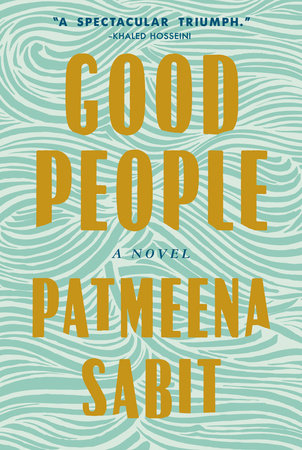
READERS GUIDE
In order to provide reading groups with the most informed and thought-provoking questions possible, it is sometimes necessary to reveal certain aspects of the storyline. If you have not finished reading, you may want to do so before reviewing this guide.1. What do you think the title, Good People, means? How do the characters in the novel try to influence the way that they are perceived by others?
2. The title of each part of the novel features a phrase from a section of the Quran. Why do you think the author chose to incorporate this religious text into the novel’s structure?
3. Did the author’s decision to write the novel through multiple points of view have an impact on your reading experience and understanding of the novel’s central mystery?
4. By the time the Sharaf family arrives in Virginia, there is already an established Afghan community in the area. In what ways do the characters’ lives change after moving to America? How do they stay connected to home?
5. Everybody thinks that they know who Zorah is. How would you describe her character?
6. The novel centers on Zorah’s relationship with her parents, but she and her brother, Omer, have a unique connection, too. What kind of relationship did you imagine the siblings had?
7. At one point, a character describes a girl’s reputation as “a cloth of pure white,” easily ruined by even “the tiniest fleck of dirt.” Does this statement feel true to you? What kind of standards are girls held to in the novel, across cultures? What about boys?
8. What is the importance of rumor and gossip in the novel? Which narrators did you find the most trustworthy?
9. How do you think the characters in the novel—the different generations of the Sharaf family, their neighbors, Representative Gretchen Davis—would define the American dream? Do you think that any of the characters in the novel attain it?
10. Asma Sarwary observes that “when a child goes bad the whole world holds a finger to the mother and father.” To what degree should parents be held responsible for who their children grow up to be? How much of who children turn out to be is predetermined or “fate”?
11. When tragedy strikes, the Sharaf family is put under a microscope by law enforcement and, less formally, by the media and the public. Did you feel that they were treated fairly by these groups? Do you think the police investigation will ever be reopened?
12. What do you think really happened to Zorah? What piece of evidence convinced you one way or the other?