READERS GUIDE
1. How does
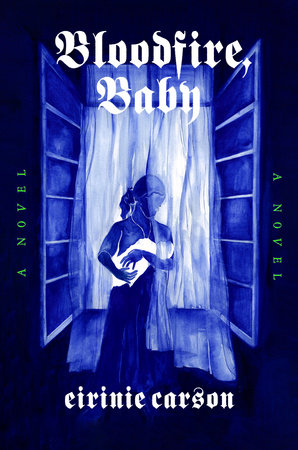
Bloodfire, Baby fit into or subvert the “maternal gothic” subgenre? What other books or media do you think fall into this category? Why do motherhood stories and gothic stories pair well together?
2. How does the novel interrogate ideals around motherhood? How does it delve into postpartum depression, postpartum anxiety, and the realities of the fourth trimester?
3. Why is it significant that the eldest daughter of the eldest daughter in Sofia’s lineage carries this curse? Why do you think it’s passed through the women in her family and, more specifically, eldest daughters?
4. Sofia’s race and class upbringing come up many times throughout the novel, often in contrast with her husband’s and in-laws’ overwhelmingly white, wealthy world. What are some of the microaggressions that Sofia faces from them? In what ways do they make her feel othered?
5. How does Sofia’s isolation in the story—from her family, her friends, even her husband—relate to the ways her ancestors were isolated from their community and traditions? What do you think the book is saying about the dangers of isolation?
6. What does the shadow represent? Does its presence mean different things to different people throughout the story?
7. How does Sofia’s relationship with her husband evolve over the course of the story, even with his physical absence? How does her perception of their shared history change as Sofia reexamines what brought her to this moment?
8. Why do you think the baby remains unnamed until the final page? Why do you think we, as the audience, are never told her name?
9. When does the word “bloodfire” come up in the novel, and what does it mean for our characters and their connection to Jamaica? Why do you think the book is titled
Bloodfire, Baby?
10. How does the concept of a shipwreck, both literal and metaphorical, come up throughout the book? Why do you think it is a prevailing theme? How does it relate to Sofia’s (and her ancestors’) feelings on the idea of home?
11. Do you think the shadows haunting Sofia are real? Is this a horror story or simply a tale of postpartum psychosis?