



READERS GUIDE
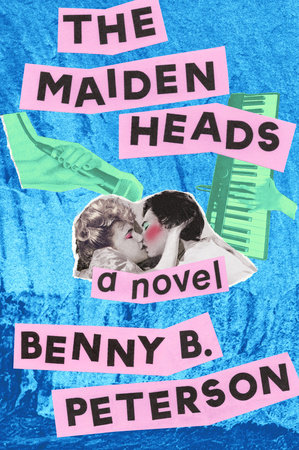
1. Jamie loses her singing voice after the breakup with Mari and the Maidenheads, and it remains that way for ten years. Why do you think that is? What do you think the novel is saying about the connection between creativity and emotion? Do you think Jamie needed to return to Mari—at least to singing with her again—to regain her voice?2. The novel opens with a look at Jamie’s life in Baltimore, in a job she doesn’t love, hooking up with an ex-boyfriend she doesn’t want to be with. How do the hallmarks of Jamie’s life (her job, her relationship, her apartment) reflect her inner state? Why do you think she stayed in that pattern for as long as she did?
3. First loves can both shape and haunt us. How does Jamie’s intense relationship with Mari influence who she becomes (or doesn’t become) over the next decade? How do their feelings toward each other shift as the story unfolds? Do you think they’re moving forward or backward when they reunite?
4. Throughout the novel, Jamie searches for her place in the queer community. How does who she’s partnered with (Peter versus Mari versus being single) affect how she sees herself and her place in the community? Who are the queer role models in her life? How does her understanding of her own identity and gender shift and grow over the course of the book?
5. Music runs throughout this story and our main characters are never more embodied than when they give themselves over to their playing. How does music act as a transformative and transcendent force? What does music allow them to express that they may not be able to in their everyday lives?
6. What does the novel have to say about the connection between art and intimacy? Do you think the electric art Mari and Jamie made could only have been created because of the force of their feelings for each other? What does it mean to create art for yourself versus for someone else versus for a crowd?
7. *Spoilers ahead* How does pregnancy affect how Jamie sees her body, gender, time, and other people in her life who are parents (including her own)? How does her perspective on each of these things change again after her abortion?
8. At one point, Mari argues, “All we can do is make beautiful, weird music and be our gay-ass selves onstage. Be the rock stars we needed when we were kids.” What do you think it means to our characters to become the musicians they needed when they were young? Why do you think it was important to Mari to engage politically through her art and her personhood versus through explicitly political lyrics?
9. Washington DC is such an important setting that it almost becomes a character itself. How does the city’s rhythm, politics, and subcultures shape the landscape of the book? What makes DC an especially resonant backdrop for this story?
10. How does the idea of imperfect art— Jennifer’s Not There, some of the Maidenheads’ music—manifest in the book? How does the initial reception of the art we see in the book change and take on new meanings as time goes on?
11. What is Jamie’s relationship with her father like at the beginning of the novel and how does it shift as they each come to understand each other better? What do their very different experiences with queerness convey about changing generational perspectives?