
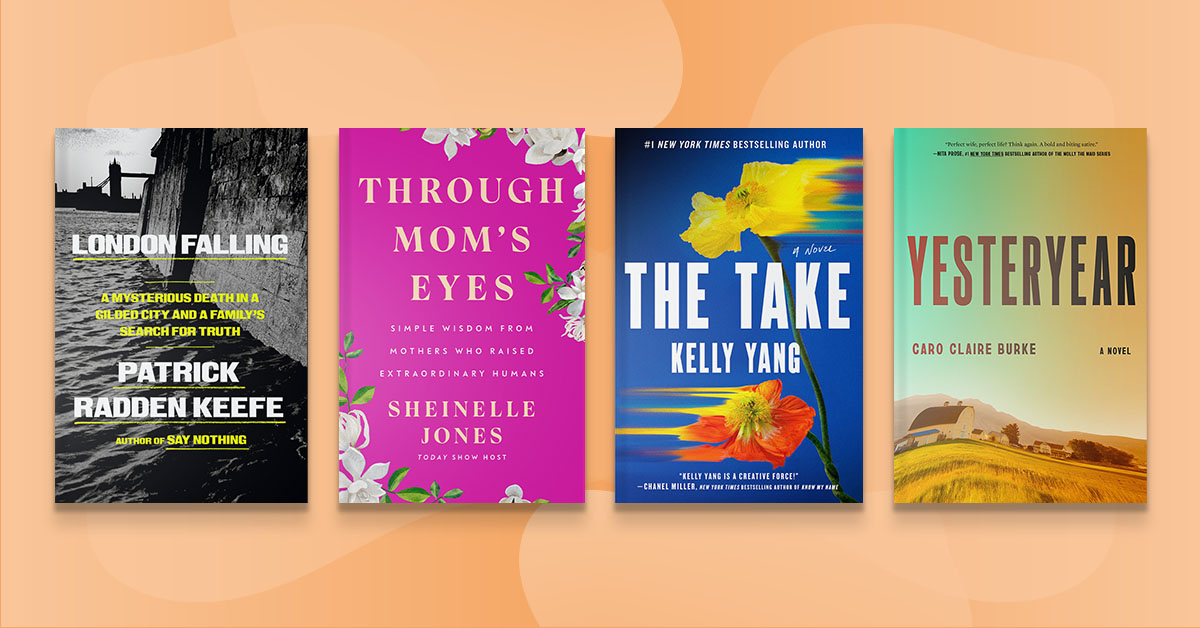




READERS GUIDE
Questions and Topics for Discussion
- Early on, the readers learn that Maya didn’t allow herself to pursue her dream of filmmaking until her mid-thirties. What role did her upbringing play in this delay? Why do her parents still view her work as unimportant and frivolous?
- Maya initially believes she’s been blessed with “staggering good luck” when a producer signs her straight out of the film program. How does this early break make her vulnerable? Can early success actually set someone up for failure?
- Throughout the novel, Maya struggles with whether she’s capable of creating truly original art and repeatedly confronts the limits of her talent. Ultimately, she realizes she isn’t as gifted as others led her to believe. How does she handle this realization? Is there a way to grow from it?
- Maya watches as her former classmates’ careers soar while hers stalls dramatically. What role does professional jealousy play in her life, and can it ever be a healthy emotion?
- At the beginning of the novel, Maya is apolitical, focused only on making her film and ignoring what’s happening in her city and country. How does the author show that this stance is untenable, especially for an artist?
- Fear operates as a powerful undercurrent in the novel. At first, Maya is terrified of her stalker ex-boyfriend, the mysterious late-night doorbell, and the threatening letter, all of it intensified by the countless horror movies she’s consumed, but none of these turn out to be the real danger. What does this reveal?
- What different strategies do creative people use to survive in an authoritarian society? Small compromises eventually lead to larger acts of conformity. At what point, if ever, does compromise turn into betrayal?
- Complicity and self-deception are major themes in the novel: characters rationalize, both privately and publicly, why they stay silent, collaborate, or look away. The novel asks who becomes “undead,” alive physically but morally numbed. In the author’s view, is the “undead” primarily a political, moral, or psychological category?
- Midway through the novel, Maya realizes that the most important relationship in her life may be her friendship with Lena—only to watch it fall apart. Why does this happen?
- Maya’s political trial is modeled on a recent real-life case in Russia, highlighting the absurdity of its proceedings. How does an authoritarian regime get people to accept absurdity and perform their roles with straight faces despite grotesque accusations and evidence?
- Maya chooses to collaborate with the regime to avoid prison. What do you think of this choice?
- How is Maya transformed by the end of the novel? What kind of person does she ultimately become?