“Vivimos una época infectada de certezas. Certezas desnudas que acogen como cierta cualquier afirmación que se ajuste a ellas, sea falsa o verdadera. Certezas vestidas de escepticismo, como en el caso de la conspiranoia, que duda de todo menos de la gran conspiración. Certezas disfrazadas de ciencia y convertidas en mercancía. Certezas, certezas, certezas, que anteponen su supervivenciaa la verdad, esa tonta entrometida. Este libro, no sin ironía, fue para mí el resquebrajamiento de algunas de las propias.”
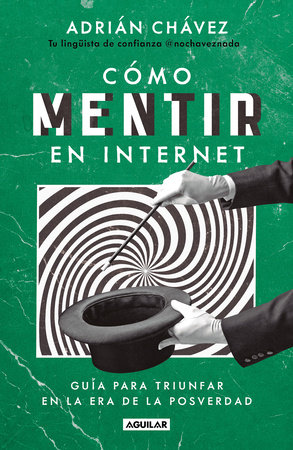
Aquí, Adrián Chávez pone su experiencia en la lingüística y en la divulgación al servicio de desenmarañar el entramado de fake news, teorías conspirativas y pseudociencias que pueblan el entorno digital, donde las certezas se multiplican como cabezas de Hidra. Estas páginas —más que un dedo acusatorio— son la pausa antes de dar clic en un titular: una exploración de qué se dice y cómo, de quién enuncia y con qué fin, de la diferencia entre malinformar y desinformar, y de cómo la posverdad se delata con la lengua.
Pero no te dejes engañar … Mejor aprende a hacerlo. Nada en este libro tiene fines nobles: ya sea que tengas experiencia o que quieras emprender una prometedora carrera en el mundo de la desinformación, el propósito, no lo dudes, es enseñarte cómo mentir en internet.
ENGLISH DESCRIPTION
“We live in an era infected by certainty. Certainty that seizes on any evidence that support it, whether real or false. Certainty rooted in skepticism, like the paranoia that drives conspiracy buffs. Certainty cloaked in science and marketed as merchandise. Certainty, certainty, certainty that prioritize itself over the inconvenient truth. Ironically, for me, writing this book meant taking a hammer to some of my own certainties.”
Adrián Chávez deploys her linguistic and communications skills to untangle the web of fake news, conspiracy theories and pseudoscience that clogs the digital sphere, where certainties multiply like the heads of a hydra. She doesn’t so much point a finger as urge us to pause before clicking on a headline: to consider what it says and how, who says it and why, the difference between misinformation and disinformation, and how to identify post-truths.
Because it’s better to fool than to be fooled yourself. As you’ll discover, nothing in this book has a noble purpose. Whether you want to launch a career in disinformation or already have experience in this arena, the goal is to – let’s be real! – learn how to lie online.







 QUICK VIEW