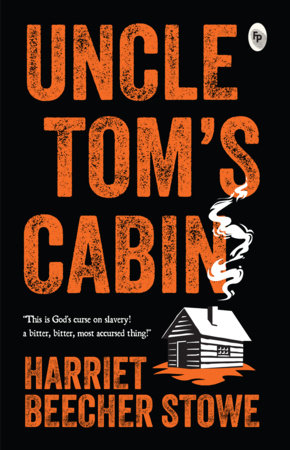
First published in 1852,
Uncle Tom’s Cabin is more than a literary classic, it is a fierce call for justice and humanity that ignited a national conversation on slavery in 19th-century America. Through its unforgettable characters and emotional depth, this powerful anti-slavery novel captured hearts and minds across the world, becoming one of the most influential books of its time. Follow the noble and compassionate Uncle Tom, a devout Christian enslaved in the American South, as he endures cruelty, hardship, and moral trials with unwavering faith. Alongside his journey are the intertwined stories of other enslaved individuals yearning for freedom and dignity.
A timeless plea for freedom, faith, and humanity.
- Explore the brutal realities of slavery and its devastating impact on individuals and families.
- Delve into moral dilemmas, faith, compassion, and the enduring strength of the human spirit.
- Understand how this novel challenged societal norms and helped shape the abolitionist movement.
- Engage with characters who reflect the complexities of morality, power, and resistance.
- Witness storytelling as a force for social change and historical transformation.
Themes Explored
- Slavery and Injustice:
Exposes the brutal realities and moral corruption of slavery in 19th-century America. - Christian Morality and Faith:
Highlights Uncle Tom’s deep spiritual strength and the role of true Christian values in opposing oppression. - Compassion and Empathy:
Shows how love and understanding—especially through characters like Eva and Eliza—can inspire social change. - Family and Separation:
Emphasizes the trauma of families torn apart by the slave trade, making a powerful emotional appeal to readers. - Female Moral Influence:
Depicts women as voices of conscience and agents of resistance within a patriarchal society. - Human Dignity vs. Racial Stereotypes:
Challenges prevailing racial prejudices by portraying Black characters with emotional depth and humanity.






 QUICK VIEW