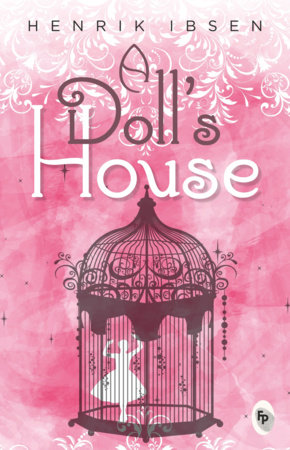
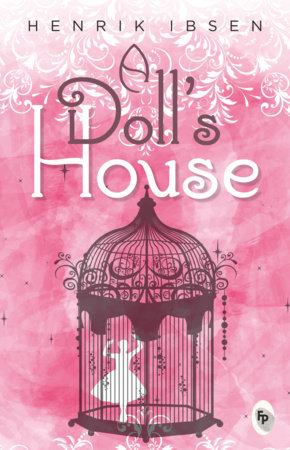
Henrik Ibsen’s
A Doll’s House is a groundbreaking play that shattered 19th-century norms with its bold portrayal of a woman’s struggle for independence. Centered around Nora Helmer, a seemingly content housewife, the play unveils deep-rooted issues of gender roles, societal expectations, and personal freedom. As secrets unfold and Nora questions the foundation of her marriage, the story culminates in a powerful act of self-liberation that remains one of theatre’s most iconic moments. A timeless and thought-provoking work that continues to resonate with modern audiences.
A woman’s voice that changed the course of modern drama.
- Explore the early feminist themes that challenged societal conventions.
- Delve into the emotional and psychological complexities of marital dynamics.
- Reflect on themes of independence, self-worth, and societal roles.
- Discover Ibsen’s revolutionary contribution to modern theatre and realism.
Themes Explored
- Gender Roles and Patriarchy
- Individual Freedom and Self-Realization
- Marriage and Domestic Life
- Appearance vs. Reality
- Moral Conflict and Responsibility
- Sacrifice and Duty
- Power and Control
- Social Expectations vs. Personal Desires