

Best Seller
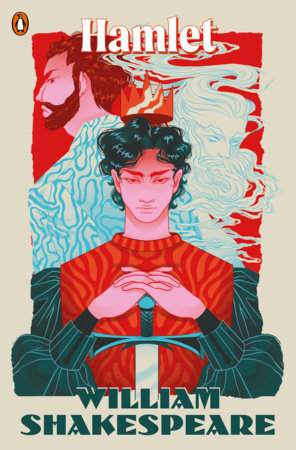
Hamlet (Spanish Edition)
Paperback
$14.95
Available on Aug 18, 2026 | 160 Pages



Versión y epílogo de Tomás Segovia.
Introducción de Alan Sinfield, profesor emérito de la Universidad de Sussex.
En una gélida noche, tan funesta que el viento se vuelve mensajero de terribles presagios, Hamlet, Horacio y tres soldados se reúnen con el propósito de desentrañar el misterio en torno al espectro que ha aparecido en las últimas noches cerca del castillo. Solo hablará con Hamlet, pues esa criatura castigada a vagar por las tierras de Elsinor fue su padre, el último rey de Dinamarca. Su hermano Claudio le traicionó arrebatándole la vida, el trono y su reina. Un horrible crimen que reclama justicia.
Frente al magnífico texto original presentamos la versión de Tomás Segovia, una de las más apreciadas en español. Asimismo, cuenta con una introducción a cargo de Alan Sinfield, catedrático emérito de literatura inglesa de la Universidad de Sussex.
ENGLISH DESCRIPTION
“At this moment I could drink hot blood, and do such bitter things that day would tremble to look upon them.”
Version and epilogue by Tomás Segovia.
Introduction by Alan Sinfield, Emeritus Professor at the University of Sussex.
Hamlet is Shakespeare’s most popular, and most puzzling, play. It follows the form of a “revenge tragedy,” in which the hero, Hamlet, seeks vengeance against his father’s murderer, his uncle Claudius, now the king of Denmark. Much of its fascination, however, lies in its uncertainties.
Among them: What is the Ghost–Hamlet’s father demanding justice, a tempting demon, an angelic messenger? Does Hamlet go mad, or merely pretend to? Once he is sure that Claudius is a murderer, why does he not act? Was his mother, Gertrude, unfaithful to her husband or complicit in his murder?
Many consider the tragedy of “Hamlet” to be Shakespeare’s masterpiece and one of the greatest plays of all time. It is the story of Hamlet, the Prince of Denmark who learns of the death of his father at the hands of his uncle, Claudius. Claudius murders Hamlet’s father, his own brother, to take the throne of Denmark and to marry Hamlet’s widowed mother. Hamlet is sunk into a state of great despair as a result of discovering the murder of his father and the infidelity of his mother. Hamlet is torn between his great sadness and his desire for the revenge of his father’s murder. “Hamlet” is a work of great complexity and as such has drawn many different critical interpretations.
Alongside the magnificent original text, we present the version by Tomás Segovia, one of the most highly regarded in Spanish. It also includes an introduction by Alan Sinfield, Emeritus Professor of English Literature at the University of Sussex.
 QUICK VIEW
 QUICK VIEW
 QUICK VIEW
 QUICK VIEW
 QUICK VIEW
 QUICK VIEW
 QUICK VIEW
 QUICK VIEW
 QUICK VIEW
 QUICK VIEW