


Features
Contemporary Authors on their 1960s research
Discover another era with Renée Rosen, Emma Brodie, and Ryan H. Walsh

This summer we’re taking a look back at the 1960s and how that decade captured the imagination of a nation. We asked some of our popular contemporary authors all about how and why they write about that impactful time.
Renée Rosen, author of Park Avenue Summer
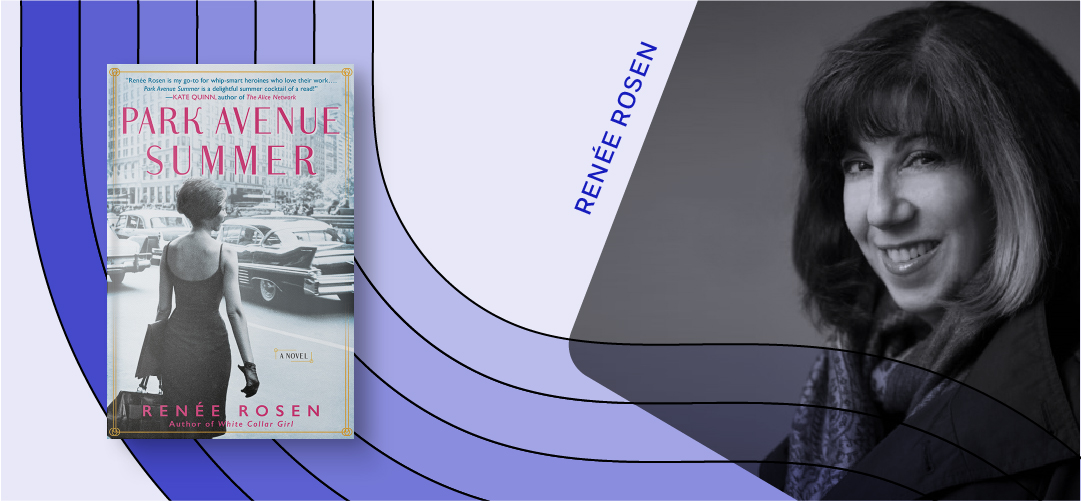
As someone who once lived in Manhattan and is also a child of the sixties, you wouldn’t think that writing a novel set in New York during that time period would have required much research. But you would be wrong. Park Avenue Summer takes place in 1965 and tells the story of a young, wide-eyed girl who arrives in New York City and lands a job working for Helen Gurley Brown when she first took over Cosmopolitan magazine. In order to write as authentically as possible, I went back to New York, hoping to see the city through Helen Gurley Brown’s eyes. Despite the fact she rarely ate, in the name of research, I decided to eat and drink my way through some of her favorite haunts like the St. Regis, The 21 Club, The Plaza, Keen’s Steakhouse and of course, The Russian Tea Room. The hostess at the TRT gave us a private tour and regaled us with stories about the iconic restaurant.
The other half of my research trip was devoted to exploring the world of my narrator, Alice Weiss. Her experience of Manhattan was very different from that of her boss, Helen Gurley Brown. I began by planting myself at Port Authority and Times Square, standing there, letting the city wash over me and remembering what it felt like when I’d first arrived in in the Big Apple. From there I headed to the Upper East Side to find where Alice would have lived. In the 1960s, this part of the city was referred to as “The Girls’ Ghetto,” because so many young women were flocking to New York, seeking jobs and independence. I even found the exact apartment where she would have lived on 75th Street and 2nd Avenue. It was a 450 square foot walkup over an existing butcher shop, which I reference in the book. I also discovered the perfect breakfast place where Alice and her friend Trudy went each weekend: The Lexington Candy Shop on Lexington at 83rd Street. And here I didn’t have to imagine what it might have been like back in the 60s, because just by walking through the front door, I time traveled. From the original (or near original) Formica at the front counter with its swivel stools to the pink tabled booths and the vintage menus on the walls, it all served as the perfect inspiration. It just goes to show that when it comes to conducting research, there’s always more learn.


Emma Brodie, author of Songs in Ursa Major
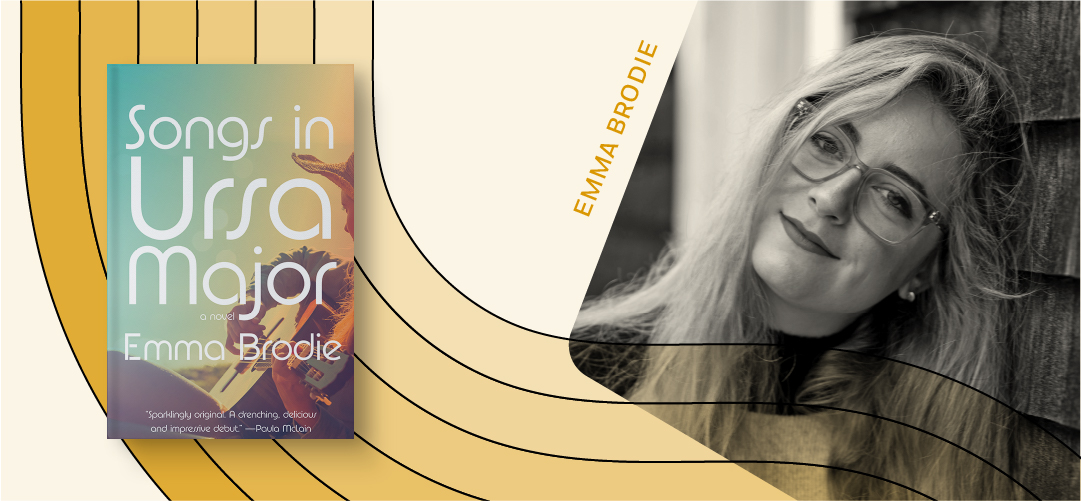
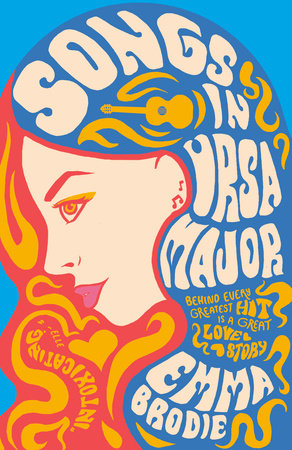
While researching Songs in Ursa Major, the location I most wanted to visit was the Troubadour, the legendary West Hollywood venue where Jane first performs “Ursa Major.” Over the past fifty years, the Troubadour has had a hand in the stories of so many great musicians—from Linda Ronstadt and Elton John to James Taylor and Joni Mitchell; the more I read about it, the more I had to see it for myself. When Bedouine—a contemporary folk goddess if ever there was one—announced her Troubador show in December 2019, it felt like fate: I took two days off work and flew to L.A. Stepping inside the venue is almost like visiting a church—and not just because of the stained-glass gothic lanterns and pews.
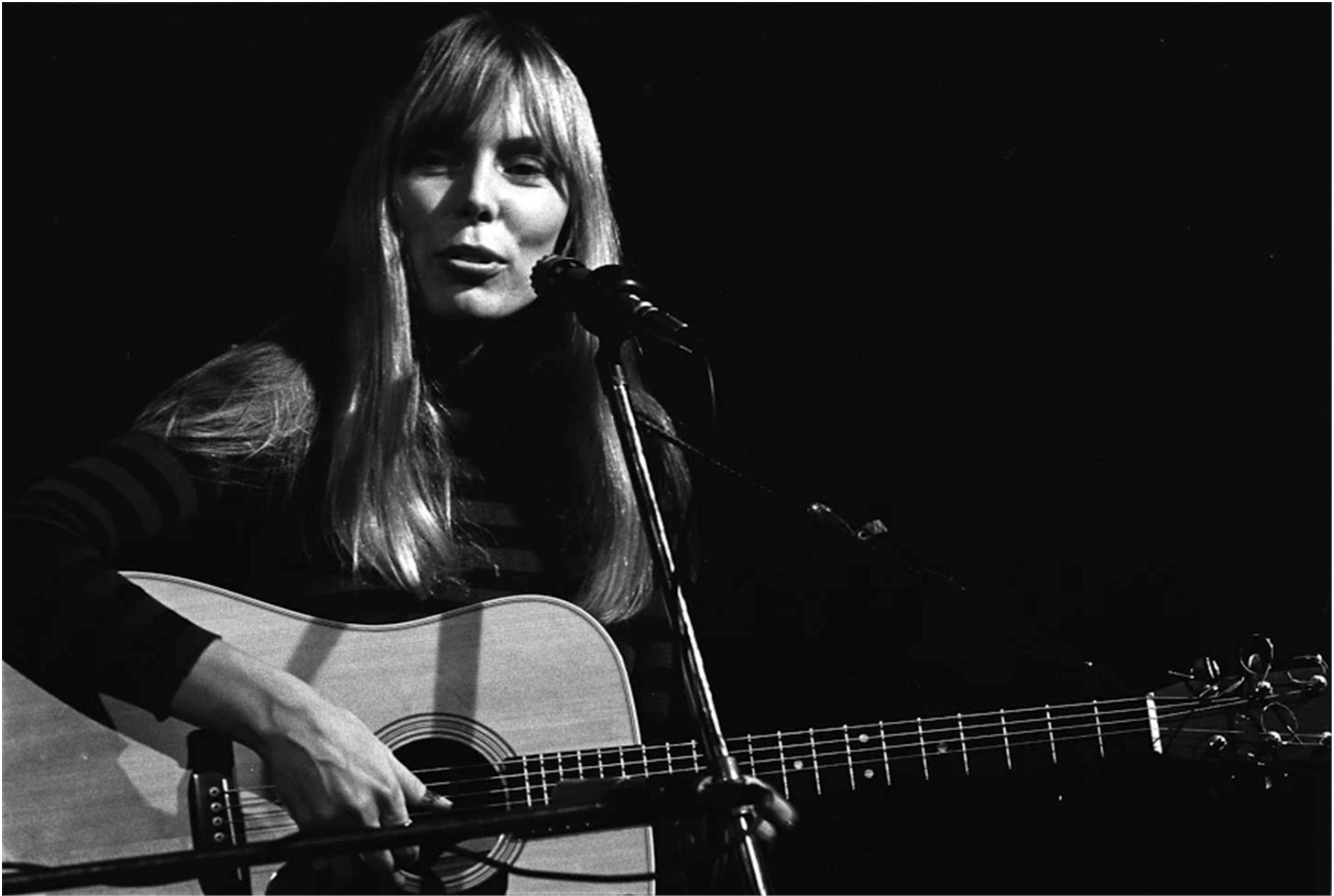
The Troubadour has a hallowed atmosphere: you’re aware that the walls have been consecrated by the most gorgeous sounds created over the second half of the last century. From the balcony where Jesse secretly watches Jane sing “Ursa Major,” I spotted the famed “Troubadour” sign, the tech guys coming back from dinner, and…a plot hole! Turns out, there is no backstage area at the Troubadour: performers go onstage from a lofted dressing room that has only one door in and out. This made my scene—in which Jane is cornered backstage by a predatory producer after her show—virtually impossible. After literally skulking around a back alley, I was able to locate the fire escape Jane uses in the final version of the book in time to see Bedouin go on. It was the last show I saw before lockdown, and I think that imbues my memory of it with a quixotic air—as if, for that one night, I stepped back in time.
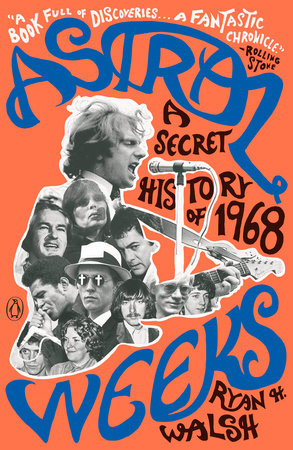
Ryan H. Walsh, author of Astral Weeks
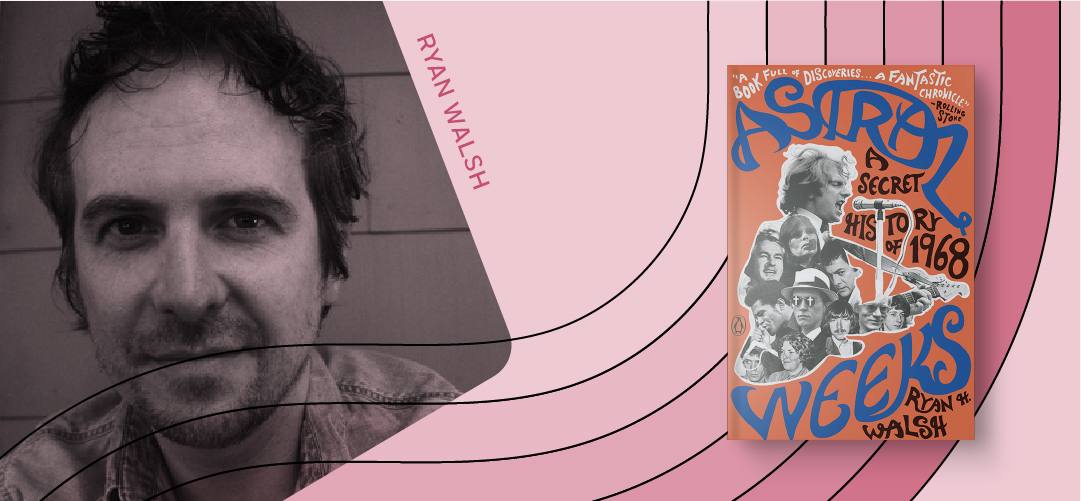
I always joke that by the time you’re thirty, you’ve already seen a dozen documentaries about the 1960’s without even trying. It’s a time, story, and culture that has been so thoroughly examined and mined for its myths. I felt it was my job to use those well known myths as touchstones the reader could hold onto as I led them into stories that were more obscure, like what happened right after Bob Dylan went electric at Newport in 1965, for example.
Creating a vivid picture of the mysterious time period between Van Morrison’s hit single “Brown-Eyed Girl” and his arty masterpiece Astral Weeks became the central mystery around which all other stories orbited. Even while the details that emerged were quite funny—like Van fronting a band of Boston teenagers for a summer who all wanted to rock while he wanted to get mystical—it seemed to only deepen the mystery surrounding the album in question.
I was born in 1979, so I knew if there was going to be an easy criticism of Astral Weeks: A Secret History of 1968, it would be that I wasn’t there. My only defense against such a charge, I decided, would be to talk to as many people who were there as possible. My interview list was in the hundreds. I wrote the book at the last possible moment it would be possible to do so, too. So many interviews I conducted turned out to be peoples’ last, and I felt a tremendous responsibility to get their stories right. The easy story of the 1960’s is boiled down to peace signs and flower power, but it was my joy and privilege to tell a tale which revealed how it was so much more.