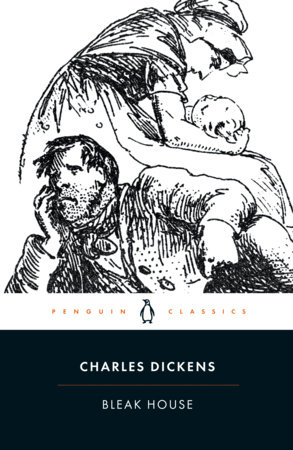
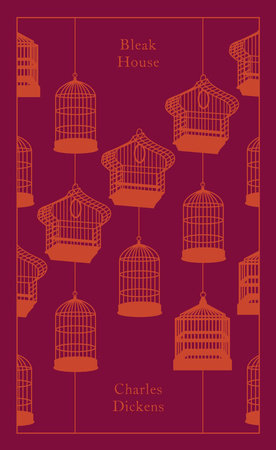
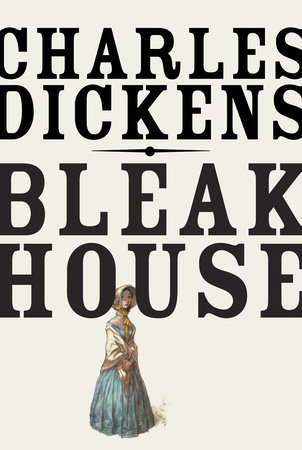
As the interminable case of ‘Jarndyce and Jarndyce’ grinds its way through the Court of Chancery, it draws together a disparate group of people: Ada and Richard Clare, whose inheritance is gradually being devoured by legal costs; Esther Summerson, a ward of court, whose parentage is a source of deepening mystery; the menacing lawyer Tulkinghorn; the determined sleuth Inspector Bucket; and even Jo, the destitute little crossing-sweeper. A savage, but often comic, indictment of a society that is rotten to the core, Bleak House is one of Dickens’s most ambitious novels, with a range that extends from the drawing rooms of the aristocracy to the poorest of London slums. This edition follows the first book edition of 1853, and includes all the original illustrations by ‘Phiz’, as well as appendices on the Chancery and spontaneous combustion. In his preface, Terry Eagleton examines characterisation and considers Bleak House as an early work of detective fiction.
For more than seventy years, Penguin has been the leading publisher of classic literature in the English-speaking world. With more than 1,700 titles, Penguin Classics represents a global bookshelf of the best works throughout history and across genres and disciplines. Readers trust the series to provide authoritative texts enhanced by introductions and notes by distinguished scholars and contemporary authors, as well as up-to-date translations by award-winning translators.
Author
Charles Dickens
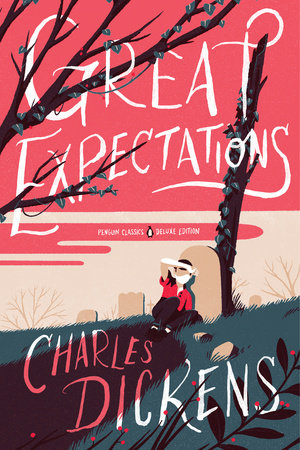
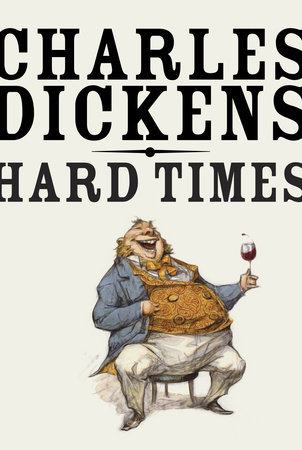
Charles Dickens was born in a little house in Landport, Portsea, England, on February 7, 1812. The second of eight children, he grew up in a family frequently beset by financial insecurity. When the family fortunes improved, Charles went back to school, after which he became an office boy, a freelance reporter, and finally an author. With Pickwick Papers (1836–37) he achieved immediate fame. In a few years he was easily the most popular and respected writer of his time. It has been estimated that one out of every ten persons in Victorian England was a Dickens reader. Oliver Twist (1837), Nicholas Nickleby (1838–39), and The Old Curiosity Shop (1840-41) were huge successes. Martin Chuzzlewit (1843–44) was less so, but Dickens followed it with his unforgettable, A Christmas Carol (1843), Bleak House (1852–53), Hard Times (1854), and Little Dorrit (1855–57), which reveal his deepening concern for the injustices of British society. A Tale of Two Cities (1859), Great Expectations (1860–61), and Our Mutual Friend (1864–65) complete his major works.
Learn More about Charles Dickens