LA GRAN SAGA SOBRE EL FASCISMO LLEGA A SU FIN.
MÁS DE UN MILLÓN DE EJEMPLARES VENDIDOS EN CUARENTA PAÍSES.
«Scurati revisa la historia. Como Yourcenar, Gore Vidal, Sebald, Echenoz o Cercas». – Javier Aparicio Maydeu, El País
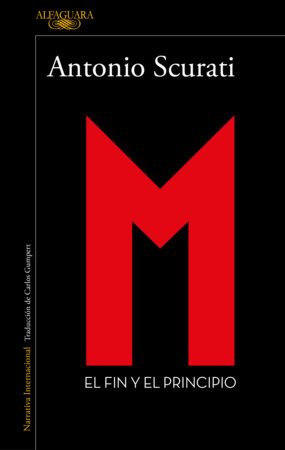
Llega a su fin la monumental saga literaria sobre el fascismo, con los últimos seiscientos días de Mussolini hasta su ejecución en abril de 1945, cuando su cadáver se colgó boca abajo en la Plaza Loreto, en Milán.
En este último volumen, Scurati narra los meses más oscuros de la República italiana, la hora de la peor violencia de una guerra civil que sembró el terror en las calles mientras los aliados bombardeaban el país. La historia se centra en Milán, un lugar fantasmagórico que representa el fin del sueño de un imperio, pero también el fin de un hombre y de sus cortesanos. Algunos huyeron, otros murieron a su lado y otro cambiaron de piel y perpetuaron sus nombres en el poder hasta nuestros días.
Al terminar la gran empresa literaria empezada con M. El hijo del siglo, Scurati muestra el drama del fascismo y su devastación como nunca se ha hecho. Contando el sombrío final de un dictador, nos ilumina con el nacimiento de los primeros brotes de libertad y democracia en el continente europeo.
«Lo que nos narra pertenece al ayer, pero podría escribir el mañana». —Rafael Narbona, El Cultural
ENGLISH DESCRIPTION
THE GREAT SAGA ON FASCISM COMES TO AN END.
OVER A MILLION COPIES SOLD IN FORTY COUNTRIES.
“Scurati revisits history. Like Yourcenar, Gore Vidal, Sebald, Echenoz, or Cercas.” —Javier Aparicio Maydeu, El País
The monumental literary saga on fascism comes to an end, covering Mussolini’s final six hundred days until his execution in April 1945, when his body was hung upside down in Piazza Loreto, in Milan.
In this final volume, Scurati recounts the darkest months of the Italian Republic, the height of the worst violence of a civil war that sowed terror in the streets while the Allies bombed the country. The story centers on Milan, a ghostly place that represents the end of the dream of an empire, but also the end of a man and his courtiers. Some fled, others died by his side, and still others shed their skins and perpetuated their names in power to this day.
In concluding the great literary undertaking begun with M. The Son of the Century, Scurati reveals the drama of fascism and its devastation as never before. By recounting the grim end of a dictator, he illuminates the birth of the first buds of freedom and democracy on the European continent.
“What he narrates to us belongs to yesterday, but it could also write a tomorrow.” —Rafael Narbona, El Cultural







 QUICK VIEW