A Brief History Of Seven Killingsby Marlon James is the recipient of the 2015 Man Booker Prize.
Set in Kingston, Jamaica, where the author was born, the book is a fictional history of the attempted murder of Bob Marley in 1976.
Awarded annually, the Man Booker Prize is open to fiction writers of any nationality writing in English, and published in the U.K. It was won last year by Richard Flanagan for The Narrow Road to the Deep North.
Cheers for Marlon James!
The Penguin Random House team has come up with sixteen spine-tingling, spook-tastic contenders in four classic book categories that’ll make you sleep with the light on. Vote every week in a new round to determine the ultimate terrifying read!
Each week, there will be a drawing to see who wins a set of the Penguin Horror Classics set, edited by lifelong horror literature lover, Guillermo Del Toro.
Congratulations to last week’s winner, Kristi from Chambersburg, PA!
Meet this week’s kickoff contenders: vote for one of each of these match-ups, and enter HERE for a chance to win the prize. Follow on social media and share your thoughts with the hashtag #scarysixteen.
WEEK 4:
Could you survive the night in either one of these HAUNTED MANSIONS? From the ghoulish HILL HOUSE to the menacing home of USHER, both of these terrifying tales will leave you saying, “You know what, forget buying, I think I’ll just keep renting this apartment.”
Dracula vs. The Stand What’s more terrifying — blood sucking ghouls or pandemic-inducing flus?
If you haven’t read the books mentioned above, check them out here!
If you’d prefer to buy from an independent bookseller, check out IndieBound to find a bookstore near you.
Check back next week to see who’s made the cut!
Ever wonder what Penguin Random House employees are reading? We’re a bunch of professionally bookish people, so you can always count on us to have a book on hand… or thirty piled on our desks. Our Bookspotting feature shows off the range of readers behind the scenes at Penguin Random House.
Shelby, in the online marketing group, is reading The Orientalist by Tom Reiss.
Show us what you’re reading by using the #bookspotting hashtag!
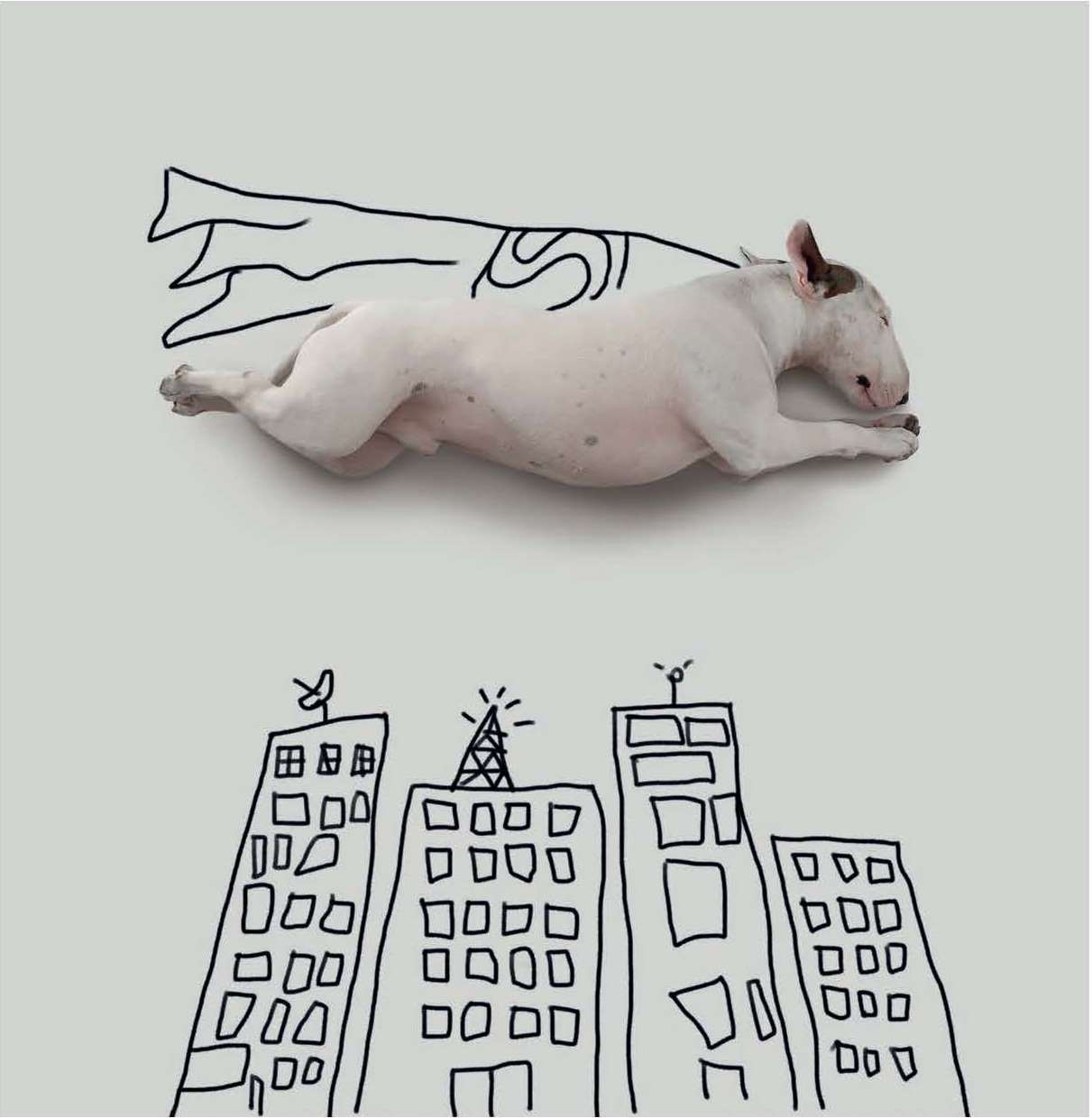
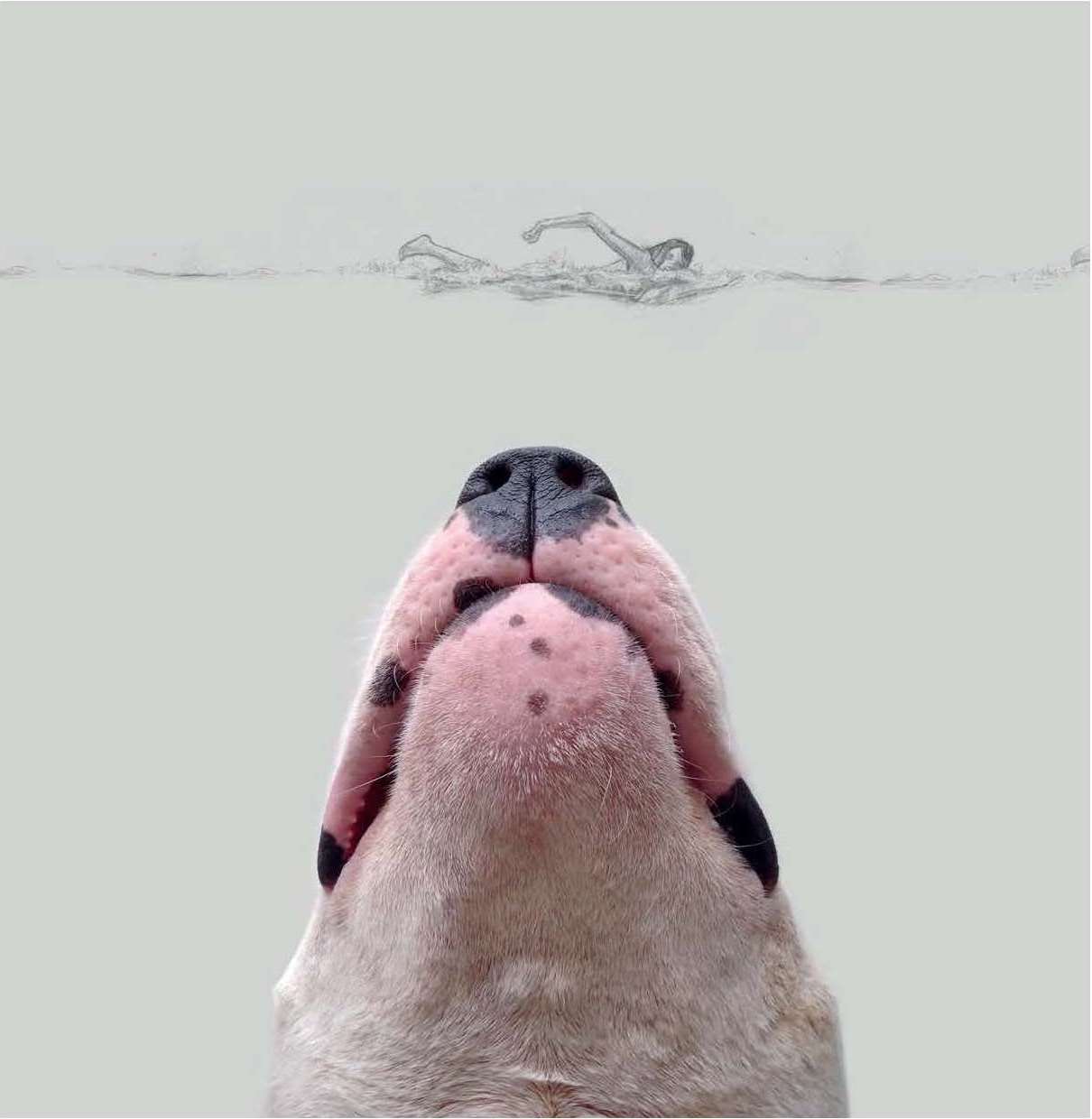
When photographer Rafael Mantesso was left by his wife, he had nothing but his blank-slate, empty apartment and the clownish bull terrier, Jimmy Choo.
Inspired by Jimmy’s sweet personality, Rafael started drawing and taking photographs of his furry best friend.
Read about the book here.
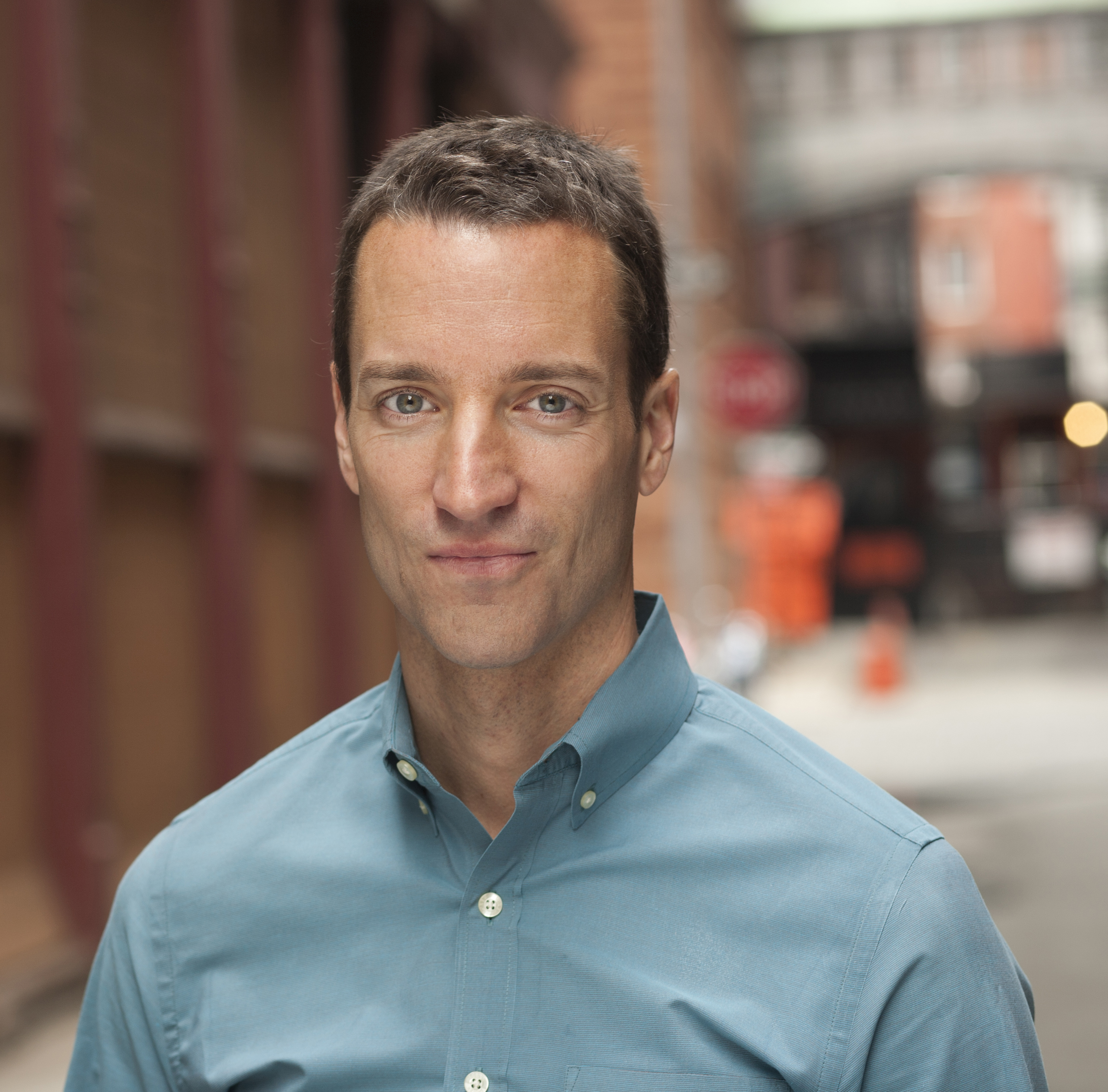
We know readers tend to be writers too, so we feature writing tips from our authors. Who better to offer advice, insight, and inspiration than the authors you admire? They’ll answer several questions about their work, share their go-to techniques and more. Now, get writing! After developing an idea, what is the first action you take when beginning to write?
Research everything. I’m a nonfiction writer so after conceiving a chapter, I like to have every pertinent date and quote at hand so that there is no distraction—no source material to obtain— from staying in the flow.
Is there something you do to get into a writing mood? Somewhere you go or something you do to get thinking?
Many of my favorite authors were alcoholics, but I’ve always thrived on healthier forms of prewriting stimulation—bike riding, running, yoga. Having a clear head and listening to music puts me in the writing mood as does being just a little tired. Maybe it was because I was writing about ghosts and magic, but I always felt most imaginative at night. And I usually do my best work at home.
Did you always want to write? How did you start your career as an author?
I attended Graduate Film School at NYU and anticipated a career in film production. Later I did have a book idea and queried a literary agent, Tina Bennett, on a proposal related to astrology, which I was practicing professionally while trying to get my film projects off the ground. In the course of our communication, I also mentioned a screenplay I was developing about Houdini’s rivalry with a controversial Jazz age medium. She was thrilled with that story, which became the basis for The Witch of Lime Street, my first book.
What’s the best piece of advice you have received?
“Every word should mean something.”
What clichés or bad habits would you tell aspiring writers to avoid? Do you still experience them yourself?
Any serious writer should read everything, particularly by those authors with whom you identify, but William Faulkner once said of Shelby Foote that he only became a successful writer when he stopped trying to be Faulkner and started being Foote.
Read more about The Witch of Lime Streethere.
The Penguin Random House team has come up with sixteen spine-tingling, spook-tastic contenders in four classic book categories that’ll make you sleep with the light on. Vote every week in a new round to determine the ultimate terrifying read!
Each week, there will be a drawing to see who wins a set of the Penguin Horror Classics set, edited by lifelong horror literature lover, Guillermo Del Toro.
Congratulations to last week’s winner, Jake from Greenwich Connecticut!
Meet this week’s kickoff contenders: vote for one of each of these match-ups, and enter HERE for a chance to win the prize. Follow on social media and share your thoughts with the hashtag #scarysixteen.
WEEK 3:
Two books set in our world, but after devastating events that have annihilated the population. Each pits a few who cling to love and compassion against those who are driven by the darker side of human nature. Which made you consider becoming a prepper? What haunted you long after you finished reading?
Frankenstein vs. Dracula
Mary Shelley’s scientist and his infamous monster take on Bram Stoker’s dark Count and the heroic Van Helsing. One eventually inspired Young Frankenstein and the other eventually inspired Twilight. Which original monster came the most alive for you from the pages of these classics?
What’s scarier? The notorious Hill House that arouses your paranormal curiosity while gathering its powers to make unsuspecting visitors its own? OR A ghost story that needs no chains and demonic voices. A novel that creates an atmosphere of tingling suspense and unspoken horror and has been a masterpiece of the supernatural for a century.
Bloodcurdling Tales of Horror and the Macabrevs.The Fall of the House of Usher In the last round of the Worst Fears category two of horror’s biggest names face off for the right to move on to the Frightening Four – Edgar Allen Poe or H.P. Lovecraft, who is the true master of fear?
If you haven’t read the books mentioned above, check them out here!
If you’d prefer to buy from an independent bookseller, check out IndieBound to find a bookstore near you.
Check back next week to see who’s made the cut!
Hope you enjoyed the crossword puzzle!
Check your answers below to see how well you know your banned books, and share your thoughts using the hashtag #booknerdcrossword.
For more information about Banned Books, go to www.bannedbooksweek.org
Browse below for the books hinted at in the puzzle!
The Penguin Random House team has come up with sixteen spine-tingling, spook-tastic contenders in four classic book categories that’ll make you sleep with the light on. Vote every week in a new round to determine the ultimate terrifying read!
Each week, there will be a drawing to see who wins a set of the Penguin Horror Classics set, edited by lifelong horror literature lover, Guillermo Del Toro.
Congratulations to last week’s winner, Ashley from Massillon, Ohio!
Meet this week’s kickoff contenders: vote for one of each of these match-ups, and enter HERE for a chance to win the prize. Follow on social media and share your thoughts with the hashtag #scarysixteen.
WEEK 2:The Ruins vs. Bloodcurdling Tales of Horror and the Macabre: The Best of H. P. LovecraftA book which will cause you to fear your garden takes on an author whose stories will haunt your dreams…It’s the book Stephen King called “the best horror novel of the new century” versus the author King hailed as “the 20th Century’s greatest practitioner of the classic horror tale.”
Haunted vs. The Fall of the House of Usher and Other Writings In Haunted, eighteen wanna-be writers set off on a retreat but instead are trapped in an abandoned theater by a mysterious benefactor with unknown motives – the result is twenty three of the most disturbing, stomach-churning stories you’ve ever dared to read. Beating hearts, swinging pendulums and speaking ravens all haunt the definitive collection of short stories from the master of the genre–Edgar Allan Poe–in The Fall of House of Usher and Other Writings. Which collection of haunted tales make you want to sleep with the lights on?
Where’s the worst place to spend a night? In an old house in a small Vermont town with a history of ghosts, sightings, and altogether creepy occurrences over the last 100 years or the notorious Hill House that arouses your paranormal curiosity and while gathering its powers to make unsuspecting visitors its own?
The Turn of the Screw vs. The Little Stranger In these two novels, Henry James and Sarah Waters explore the nature of evil – and the apparently inevitable creepiness of English country estates. Which epically haunting masterpiece makes you jump at every bump in the night – the gothic classic or the 2009 Man Booker nominee?
Click the image below to see the full-size bracket, and check back next week to find out who survived the first round!
If you haven’t read the books mentioned above, check them out here!
If you’d prefer to buy from an independent bookseller, check out IndieBound to find a bookstore near you.
Check back next week to see who’s made the cut!
Banned Books Week is here! Wonderful classic and contemporary books have been banned and challenged over the years, so this week, we are celebrating our right to read.
Take a stab at our Banned Books Week Crossword and see how well you know about incendiary literature! Check back at the end of the week for the answer key.
In the meantime share your thoughts on social media using #booknerdcrossword.
Click for full-size image and to print out.
Learn more about Banned Books Week here.
Get to know the newest Penguin Random House imprint! Tim Duggan Books was founded in 2014 and is committed to the highest standard of storytelling across a range of genres. Our list of books is small, select, and curated from both well-established and brand new authors, including Eric Schlosser, Timothy Snyder, Emily Barton, Michael Kinsley, Yasmine El Rashidi, and Colin Jost. The imprint is dedicated to publishing books of quality, accuracy, elegance, and vision, and to authors who take risks and tell singular stories.Read on for an interview with Tim Duggan about this exciting new imprint. What do you look for in the books and authors that you acquire?
The first thing I usually look for in a book is the voice, which hopefully has energy and confidence and personality, and not a whiff of pretension. You can usually tell from the first page whether an author’s writing feels genuine and fresh and powerful, and whether there’s a real sense of urgency there, as if the author almost had no choice but to write this book. So in that sense I’m drawn toward books that somehow feel essential, by authors who are driven by a passion that probably borders on obsession, no matter what the genre is. For an author, that’s something you can’t manufacture, and for an editor, that’s the gold standard, and it’s a big part of what I’m looking for.
In what way do you think Tim Duggan books aligns with the Crown publishing group?
I’ve been incredibly impressed, long before I came here, with the way Crown has been publishing its books, from marketing, publicity, and sales to art, design, and production. There’s a wide variety of imprints, all of which struck me as very focused and backed by clever campaigns and extraordinary attention to detail. My imprint is small, selective, and idiosyncratic, so I feel I have plenty of room here to pursue what I want to pursue, while tapping into the deep pool of knowledge and resources that Crown is known for. It turned out to be a really easy and natural fit.
Tim DugganWhat has been the hardest part of launching your own imprint?
Ask me in a month! Truth be told, the first year has been totally exhilarating and fun, and part of that is probably a result of the fact that I’ve been doing more acquiring and editing at this point than anything else. That will change this fall when the first books hit the market, which I’m looking forward to. So I’m not even sure that starting an imprint is the hard part – but maintaining it and keeping up the momentum surely will be.
Has it always been a goal of yours to launch your own imprint, or did it come about more organically?
It came about pretty organically, in that I’ve always thought that having a little imprint within a much bigger organization would be the best of both worlds, which is definitely how this feels. I wanted to have a small list with a wide range, which comes out to about ten books a year, half fiction and half nonfiction, including memoir, humor, science, and poetry. My sense is that the whole publishing marketplace, from authors and agents to critics and booksellers, has been really supportive of small imprints like this one, which helped pave the way for me and made it a little less daunting – just knowing that even though I’m on my own, there are others out there who’ve done this and done it really well. Not to mention that once I got here and saw the level of support I had from my colleagues, it actually felt a lot less like I was on my own.
Check out the new books from the Tim Duggan imprint:
Learn more about the imprint here.
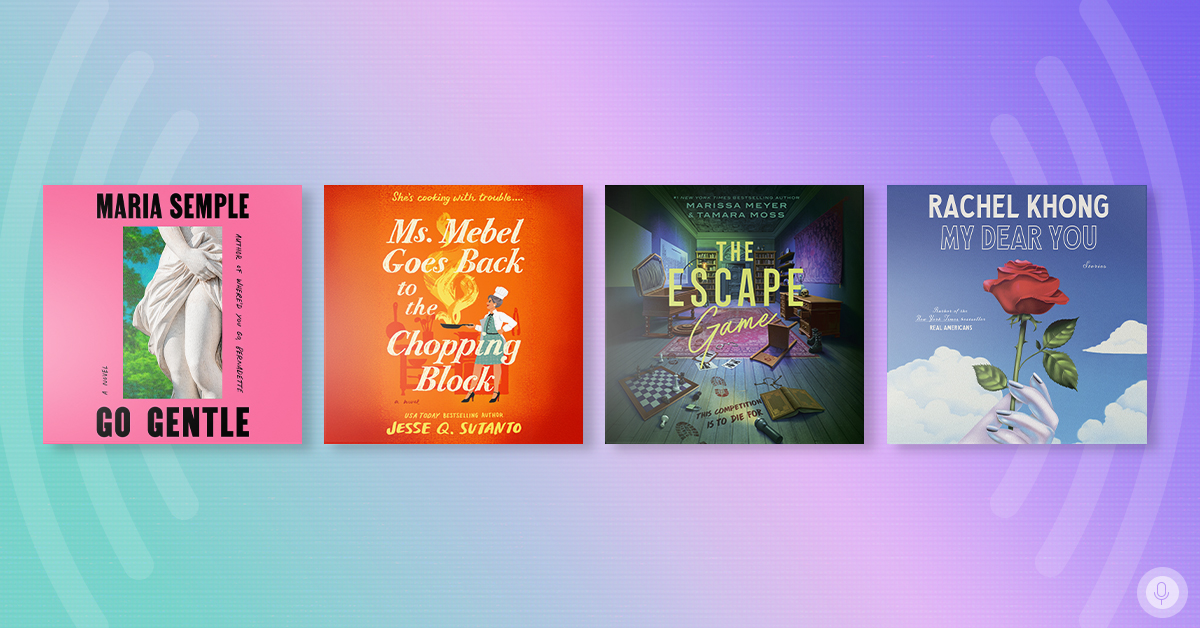




 A Brief History Of Seven Killings by Marlon James is the recipient of the 2015 Man Booker Prize.
Set in Kingston, Jamaica, where the author was born, the book is a fictional history of the attempted murder of Bob Marley in 1976.
Awarded annually, the Man Booker Prize is open to fiction writers of any nationality writing in English, and published in the U.K. It was won last year by Richard Flanagan for The Narrow Road to the Deep North.
Cheers for Marlon James!
A Brief History Of Seven Killings by Marlon James is the recipient of the 2015 Man Booker Prize.
Set in Kingston, Jamaica, where the author was born, the book is a fictional history of the attempted murder of Bob Marley in 1976.
Awarded annually, the Man Booker Prize is open to fiction writers of any nationality writing in English, and published in the U.K. It was won last year by Richard Flanagan for The Narrow Road to the Deep North.
Cheers for Marlon James!


 Shelby, in the online marketing group, is reading The Orientalist by Tom Reiss.
Show us what you’re reading by using the #bookspotting hashtag!
Shelby, in the online marketing group, is reading The Orientalist by Tom Reiss.
Show us what you’re reading by using the #bookspotting hashtag!